Balancing AI and the Human Touch in Photo Organizing
I recently heard a speaker talk about how AI is transforming the photo management world…I agree.
Then he went on to talk about what can’t be automated, including human judgment, empathy, and personal storytelling…I agree with that, too.
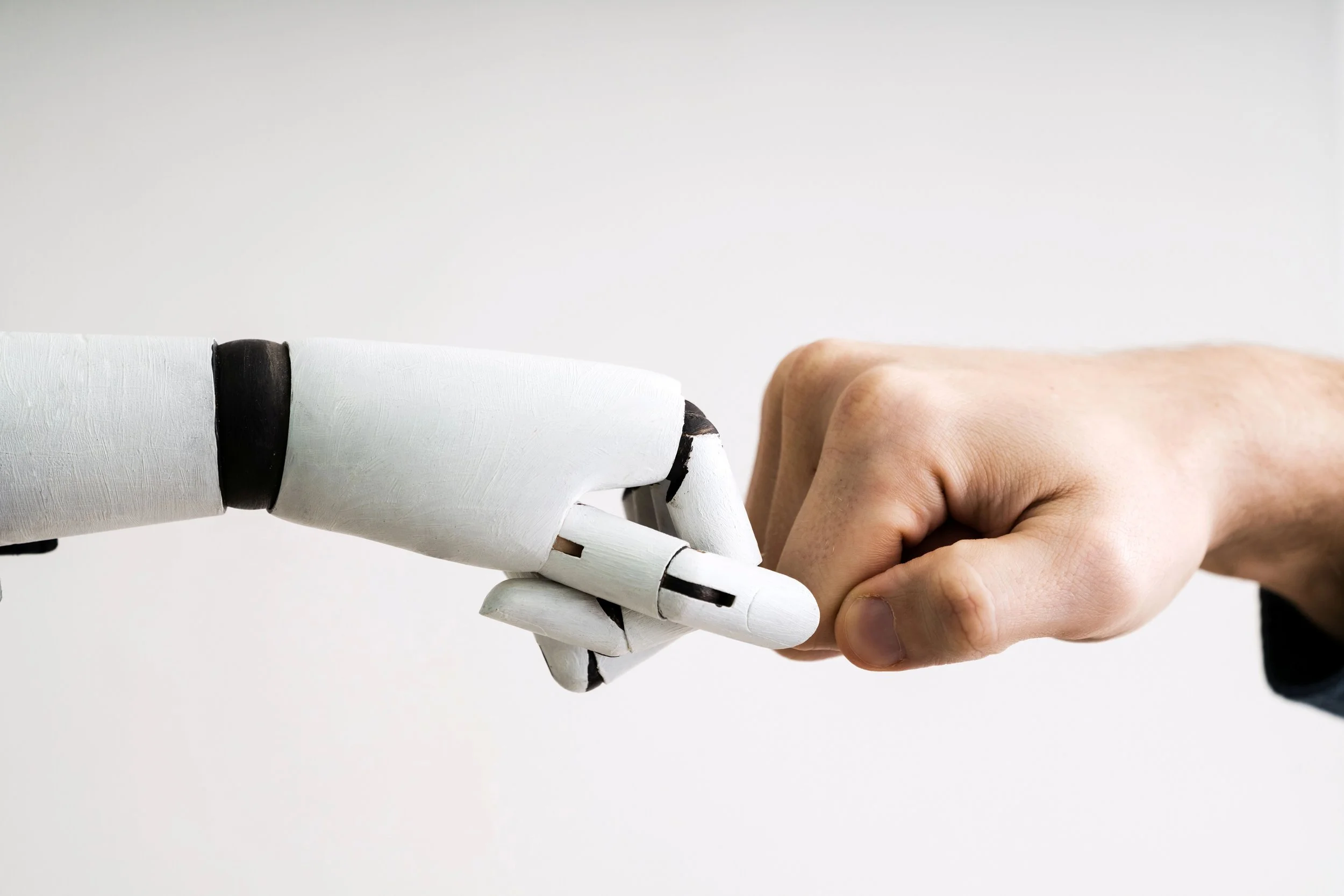
If you don't use any type of AI to help you organize your photos, you are missing out. However, I also believe that at this point, throwing all of your photos into an app with the hope they will come out perfectly organized and tagged, just moves the mess. Garbage in, garbage out.
The AI helpers that I believe make mine and my clients’ photo lives richer and easier include things like…
automatically sorting my photos into chronological order (when the dates are right…);
facial recognition;
deduplication tools;
content recognition when you’re trying to find that ONE photo; and
the fun reminders that get fed to our devices like ‘On this day’, or photo widgets that show us fun photos from our camera rolls or create a meaningful video of someone we love.
But…even these helpers aren’t perfect.
Here are some areas where AI works best when you partner it with human intervention:
1. AI can’t understand why a photo matters
AI can identify what is in a photo, like faces, locations, objects, but it cannot understand why a photo is meaningful to you. AI might group images by “beach” or Florida, but it won’t recognize that a slightly blurry photo matters because it was the last vacation you took with your mom.
2. Dates are wily and AI doesn’t get that
One of the biggest issues I run into when consolidating and organizing a collection is incorrect dates on digital photos. Dates are typically incorrect for a few reasons:
it was shared in a way that the metadata was lost;
it was scanned, so the date on the photo is the date it was scanned, not the date the photo was taken;
the date was incorrect on the camera/device it was taken with; or
it was downloaded from a cloud site that either doesn’t retain metadata or doesn’t allow it to be downloaded.
What happens when dates are incorrect is that they fall into incorrect chronological order in photo organizing systems, making them difficult to find. In order for them to fall into chronological order correctly, a human must correct the date in the metadata of the photo.
3. Facial recognition is not perfect
Facial recognition and tagging are super helpful and I lean into these tools heavily when I’m organizing client collections, but they aren’t perfect. AI can easily confuse people who look alike, and struggle with aging faces, baby/childhood photos, and historical images.
Once those mistakes are saved as tags or metadata, they can quietly spread throughout an entire photo library, making it less trustworthy over time unless a human steps in to correct them. I can’t tell you the number of times I’ve had to correct a system because it confused siblings or in my personal collection, Apple Photos recently decided that my oldest daughter was me.
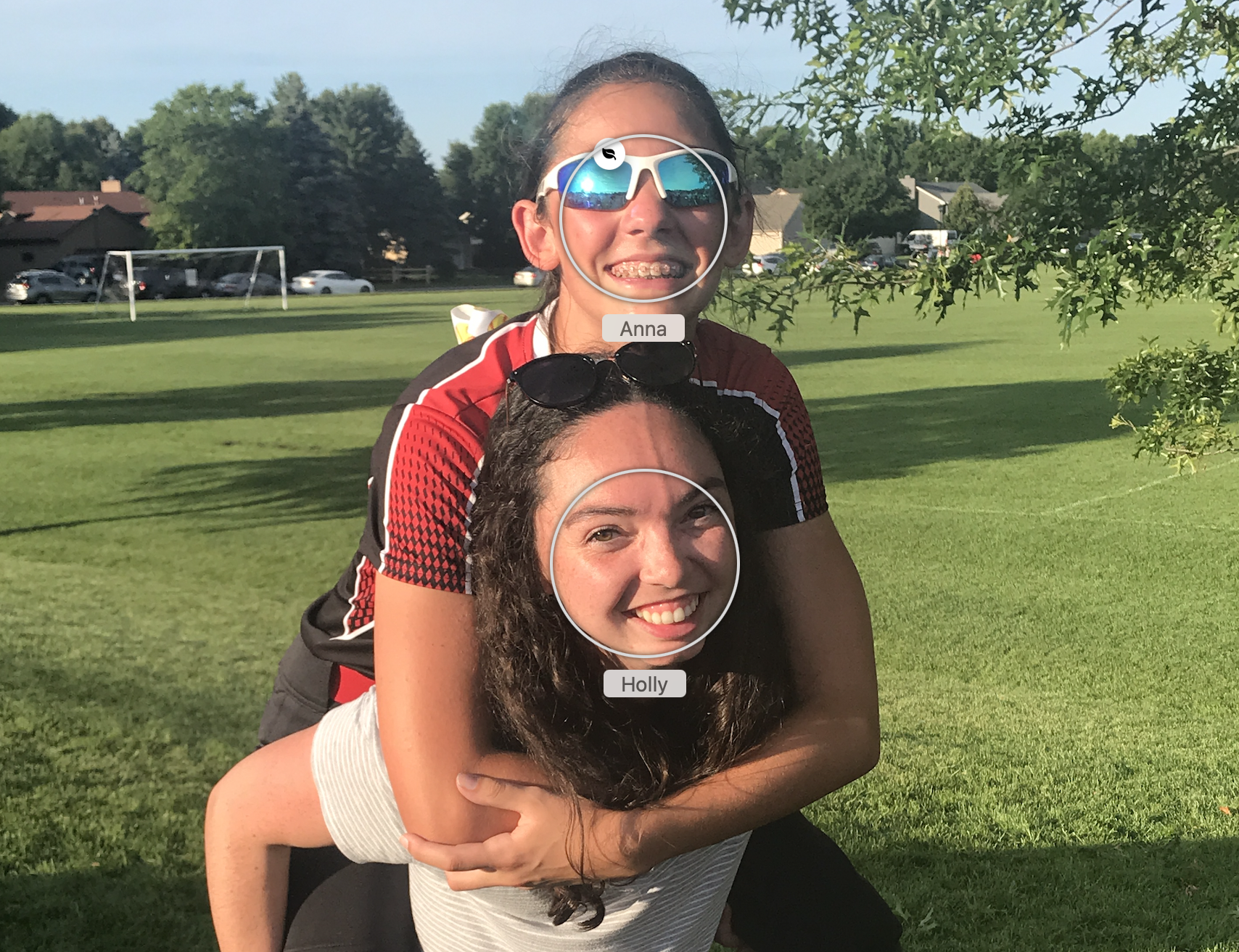
I still think facial recognition is one of the best AI tools available, but a human still needs to stay on top of it.
4. AI can’t decide what should be deleted or kept
AI can detect duplicates or near‑duplicates, but it can’t judge sentimental value. To AI, ten similar photos may look redundant. To a human, each one might capture a different expression, relationship, or moment that matters.
Deciding what stays, what goes, and what deserves special protection is still a deeply human task, which is a BIG challenge in our world where we take thousands of photos a year.
In addition, with regard to deduplication systems, every time a photo moves locations or is shared, that photo has the potential to change. Examples include losing only a few kb in size when shared, metadata getting lost in a download, or a photo being cropped or color corrected so it is slightly different than the original. These result in deduplication systems not recognizing these photos as ‘exact’ duplicates, even when they look like it to our human eye. In order for an AI deduplication app to work as intended, it requires a human to understand this and know the app or system well enough to ensure that those duplicates are ultimately identified.
5. AI can’t respect privacy without human rules
AI tools don’t automatically understand privacy boundaries. Without oversight, they may upload sensitive images to the cloud, create facial profiles without consent, or surface photos meant to remain private. Privacy concerns around creating fake images and AI image recognition remain significant.
When it comes to privacy, making intentional choices about how you use AI and which systems to use, makes all the difference.
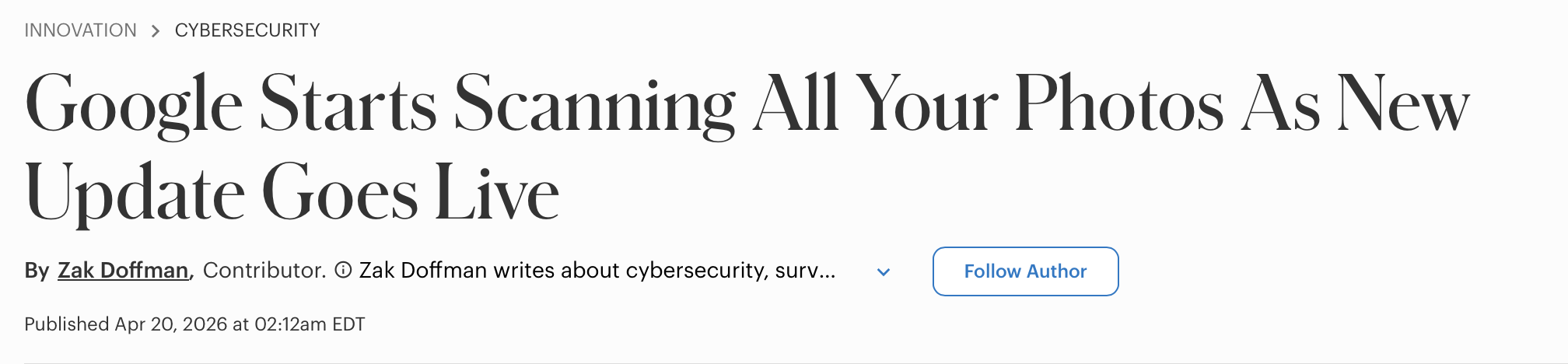
Recently, Forbes published an article that I think demonstrates this point perfectly, Google Starts Scanning All Your Photos As New Update Goes Live (4-20-2026). In a nutshell, it describes how, in Google’s latest update, it will have the ability to scan all of your photos to use actual images of you and your loved ones in AI image generation. They claim that it will personalize and enhance your AI experience…and maybe it will…but at this point in our AI journey, I don’t know that our world can be trusted to use this information without some missteps along the way.
And here’s the challenge, sure you can opt out, but I can’t tell you the number of my clients that have allowed cloud services access to their photos and not even realized it.
This is just today’s news. More and more of these types of ‘innovations’ are going to come into play in the near future, and because of this, it’s more important than ever that we understand what we are signing up for.
6. AI doesn’t understand relationships
AI sees faces as individual data points. It doesn’t understand relationships like best friends, estranged relatives, former spouse, or chosen family. It also doesn’t grasp family dynamics or timelines. Organizing relationally still requires human judgment.
AI is a powerful tool…but it is not a curator, storyteller, or memory‑keeper. The best photo organizing results come from a partnership…let’s let AI handle speed, scale, and pattern recognition, while humans provide meaning, context, accuracy, and care.
That balance is what turns a pile of images into a meaningful family photo archive.
Overwhelmed with your photos? Getting started organizing your photos can be the hardest part! Grab our FREE GETTING STARTED GUIDE that includes tips for how to create a plan, how to take inventory of your collection, and provides the form to do it.

Holly Corbid is the Founder/Owner of Capture Your Photos, where we help you to organize, preserve, and share your lifetime of memories. Helping you touch hearts with your photos is our passion. We specialize in digital photo organization and work remotely with clients all over the country.
Looking for a DIY solution? Check out our series of online courses, The Photo Organizing Blueprint.
Find us at www.captureyourphotos.com or contact us here.